Bourbon Diplomacy: Trust, Human Rights and the UN with Stavros Lambrinidis
What does it take to speak for 27 countries at a United Nations that’s running short of money and patience?
In this episode of Policy Punchline, Stavros Lambrinidis, the European Union’s Ambassador to the United Nations, joins Princeton students Alice McCarthy ’27 and Fletcher Kaneb ’29. Before New York, Lambrinidis spent almost five years as the EU’s Ambassador to the United States and seven years as its first Special Representative for Human Rights. He was also Greece’s Foreign Minister for five months at the height of the debt crisis.
We start with his route from Athens to Amherst and Yale Law School, and his return to Greece after practising law to do his mandatory military service. We then turn to 2011, and what it was like to represent Greece abroad as the country became the face of the eurozone crisis. He also reflects on his time as the EU’s human rights envoy and why he believes human rights should be the first thing protected in any conflict.
Lambrinidis then recalls arriving in Washington during Trump’s first term, months after the administration had downgraded the EU delegation’s diplomatic status. He describes hosting a bourbon tasting while EU tariffs were hitting Kentucky, and touring 43 states with all 27 EU ambassadors. He explains why showing real appreciation for the place you’re posted, building relationships face to face and trying unconventional ideas can get results that formal channels can’t. We close with the UN’s cash crisis, the future of multilateralism and why it matters to know your “why” when choosing a career.
This interview is part of the Policy Punchline podcast series. Supported by Princeton’s Julis-Rabinowitz Center for Public Policy and Finance, the series aims to foster dialogue on critical public-policy issues, connecting listeners with leading experts from around the world.
Join us as Stavros Lambrinidis reflects on a career spent between Athens, Brussels, Washington and New York, and on what it takes to keep countries talking when cooperation gets harder.
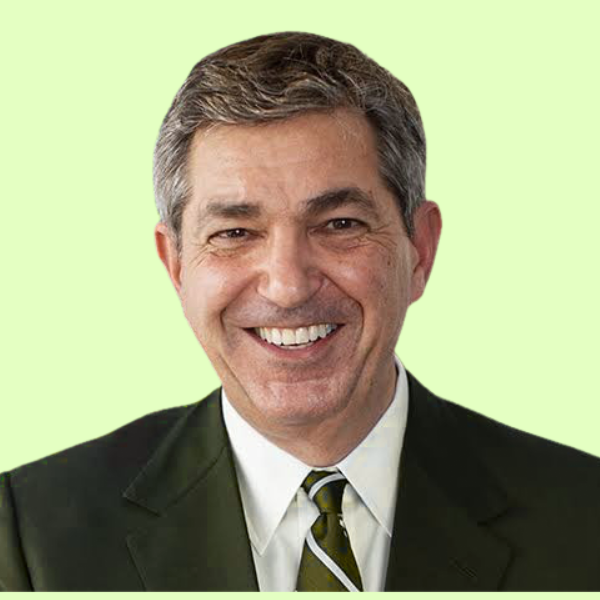
Stavros Lambrinidis